
Anyone with a passing knowledge of brand will tell you that your brand is much more than your logo. No surprises there.
But sometimes the decoration tells you more than you think
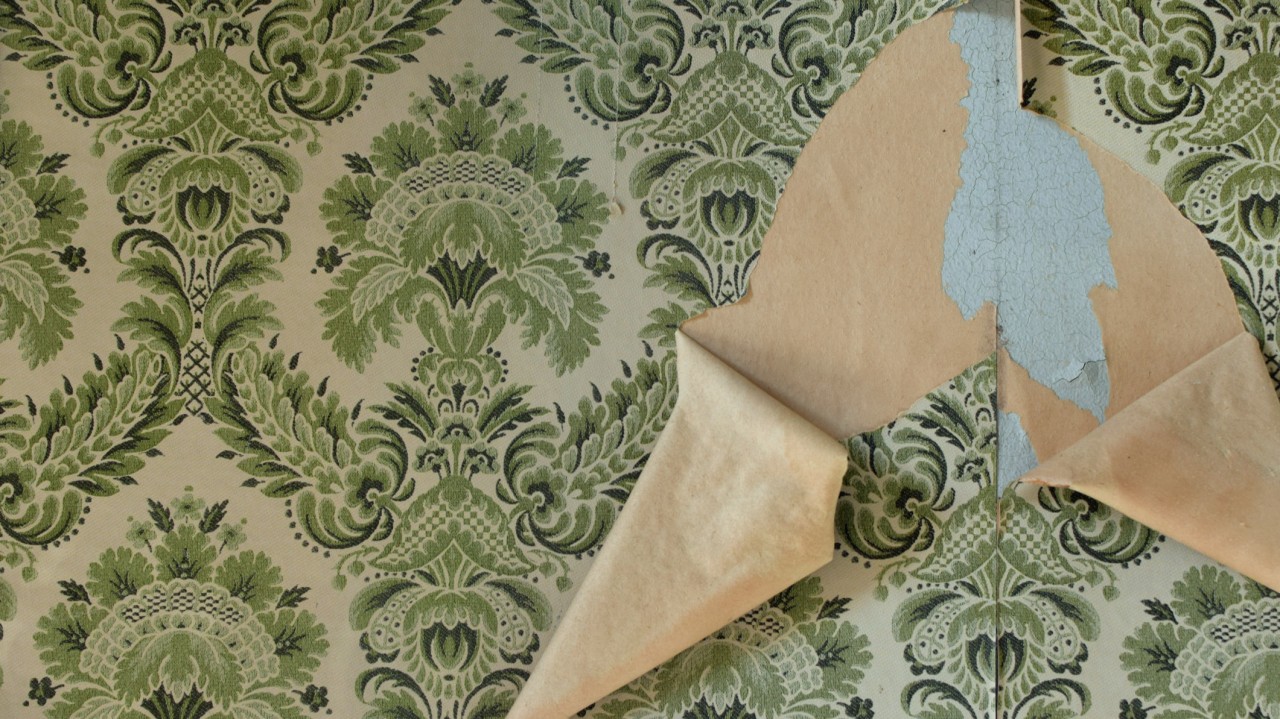
Let’s face it, if you turn up to a ‘luxury’ hotel where the wallpaper is peeling and there are damp patches on the walls, the desired impact of opulence is rather lost.
Sometimes problems with the decoration are a clue to a deeper malaise.
On the surface, what look like branding problems are often symptoms of something much larger; a struggle to align around a shared story that enables an organisation to move forward.
Here are just a few things that we’ve heard in our conversations:
‘No-one here can use the right version of the logo’
‘Our teams just make up their own templates, it’s like the wild-west’
‘People have started creating their own straplines’
‘There’s a department that refuses to use the new brand’
At first glance these could all be seen as visual identity problems. But what if they’re symptoms rather than causes.
In the last example, one part of an organisation was openly refusing to use the brand. It wasn’t because they didn’t like the typography or the colours. It was because they didn’t see themselves in what the brand represented.
So as a senior leader, faced with a problem like this there are a number of different things you could do. You might resort to creating clearer brand guidelines, communicating the standard better or even employ a team of logo-cops to police every execution of the brand.
The best brands don’t rely on compliance alone. They create connection. People understand what the organisation stands for, where it’s going and the role they play in getting there. That alignment doesn’t happen on its own, and brand is one of the few tools available to you that can effectively connect your strategy, culture and experience.
That starts by understanding the shared beliefs that hold an organisation together. These are the foundation of creating a connection between people and the brand. A brand that has a strong sense of what it’s trying to achieve. One that can tell a clear story about how it creates meaning for the people who interact with it – colleagues, customers, regulators, policymakers.
Consistent application becomes easier when the brand feels desired rather than imposed.
And that starts with listening, not colouring in.
A potential client recently started a conversation about designing some new templates. They had a huge problem with inconsistency. Through a number of discussions we understood that the problem was much deeper than that, it was a lack of strategic alignment. They weren’t ready to tackle that problem so the project didn’t proceed. That’s a shame, but it meant they didn’t waste any more time or money trying to solve a strategic problem with a tactical solution.
So if the brand wallpaper is peeling, don’t just redecorate. Ask what it’s telling you about the building underneath.


